
Sometimes Less AI Is Better Engineering
When resources are limited, designers have to think more carefully about what the system actually needs to accomplish.
October 17, 2026 SkillSaige Team
Blog Archive
Page 1 of 7. Browse every published article in the SkillSaige archive.
When resources are limited, designers have to think more carefully about what the system actually needs to accomplish.
Can you build an AI application with all the advantages of AI, but none of the weird quirkiness? Yes, and SkillSaige's CEO will explain how.

The word "scalable" gets thrown around a lot, but what do we actually mean when we say that?

Variability helps make training repeatable without it becoming repetitive, which is crucial for sustained skills growth.

Sayre joins the host of Channel Insights to discuss the future of AI training.
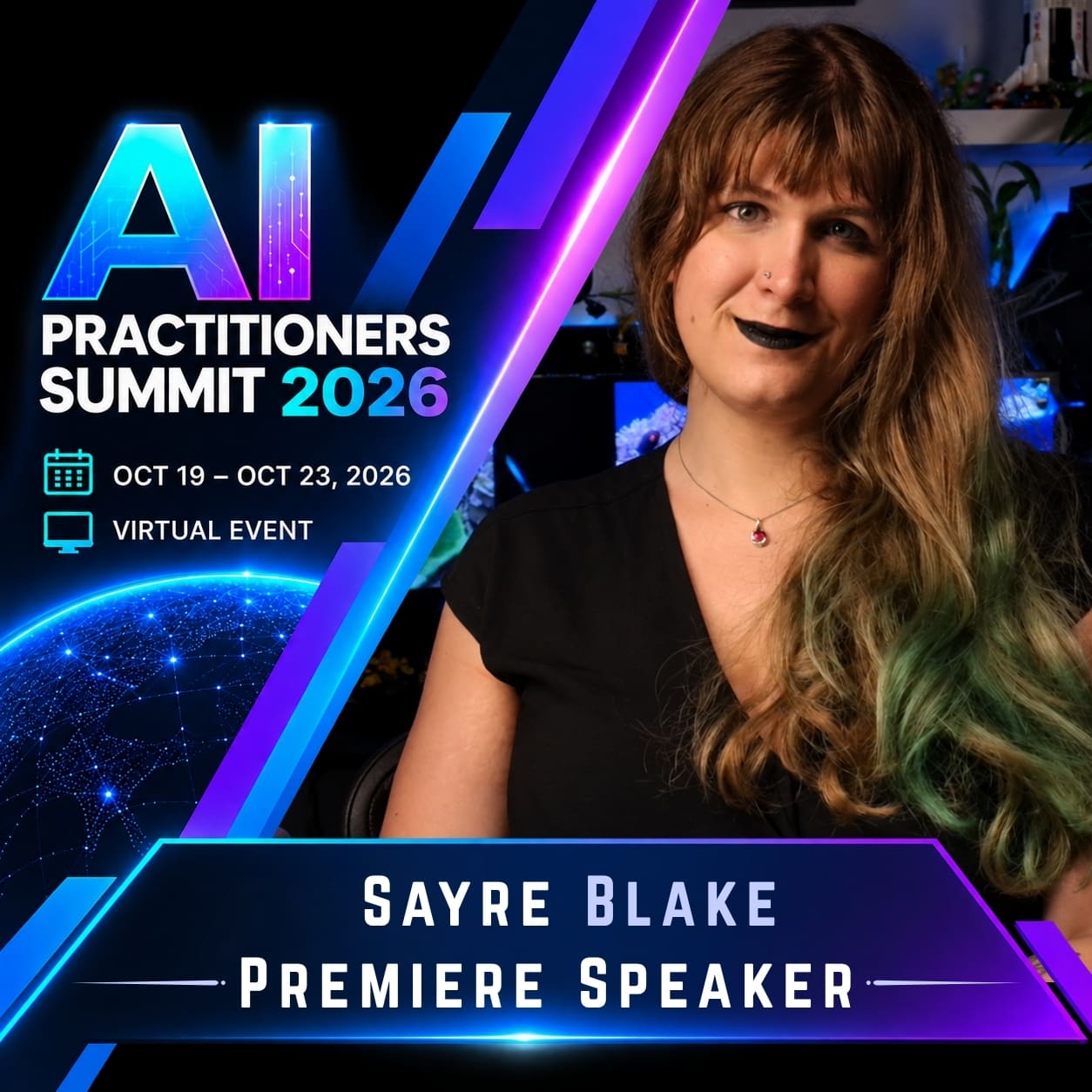
What is semiotics? Sayre Blake, SkillSaige's CEO, will be explaining why that question is critical to AI architecture during her talk at the upcoming AI Practitioner Summit.

AI has immense potential, but it also introduces some unique challenges when it comes to testing.

It is easy to understand an idea in theory and still struggle to apply it. Repeated practice helps close the gap between abstract knowledge and usable skills.

Longer prompts are not the answer, especially when AI is being used for skills development.

AI can provide instant feedback. That can be incredibly valuable, assuming the feedback is accurate. SkillSaige's CEO breaks down where AI feedback falls apart, and how better systems can fix it.

Complex subjects don't necessarily need to be taught in complex ways. Breaking topics down into smaller, more digestible pieces has a number of advantages.
Hallucinations are a problem for anyone working with AI, but at SkillSaige, we have a solution.